
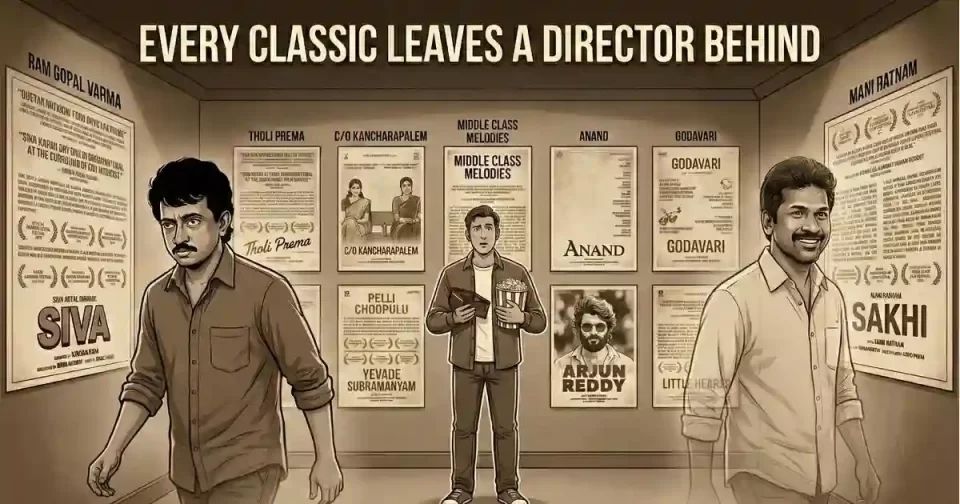
In cinema, iconic movies often become cultural touchstones — yet behind those unforgettable moments and memorable performances lies a figure whose contribution is frequently overlooked: the director. A growing conversation within film circles highlights this unspoken truth, reminding audiences that directors are the creative architects behind every classic.
Directors Shape the Heart of a Film
While actors and music often dominate public adoration, directors are the visionaries who mould the narrative, tone and visual style of a movie. Their choices influence everything from camera movements and performances to story pacing and thematic depth. Without a director’s guiding hand, even a strong script can struggle to translate into compelling cinema.
Many timeless films are remembered for their iconic scenes — but those moments are born from a director’s vision, interpretation and leadership on set. Whether crafting dramatic tension or shaping character arcs, directors play a central role in bringing every cinematic element together.
Overshadowed by Stardom
Part of the reason directors sometimes remain in the background is simple: star power sells tickets. Audiences often remember and celebrate the actors who appear on screen while overlooking those who work behind the camera. Even when films become classics, the name of the director may not resonate as immediately as that of the lead star.
Film critics and scholars have long argued that this imbalance skews public recognition, as the creative decisions that make a film stand out often stem from directorial instincts rather than star performances alone.
A Shift in Audience Awareness
In recent years, however, there has been a shift. Platforms such as film festivals, streaming interviews and online discussions are giving directors more visibility. Audiences now have greater access to behind-the-scenes content, allowing them to appreciate the craft of direction and the unique styles that different filmmakers bring to their work.
Documentaries, director-focused retrospectives and in-depth interviews have also helped demystify the role, showing how directors influence every aspect of production — often juggling artistic vision with practical problem-solving on set.
Why Directors Matter
Directors are storytellers at their core. They interpret scripts, guide actors to nuanced performances, shape the visual language of a film and ensure that every department works in harmony. Their influence touches everything from dialogue delivery to lighting choices — all of which contribute to a film’s lasting impact.
By focusing more on the creative forces behind the camera, audiences can develop a deeper appreciation for cinema as an art form — one created through collaboration, yet driven by the director’s unique perspective.
A Broader Appreciation of Cinema
As conversations evolve, more moviegoers are beginning to recognise that the legacy of a great film extends beyond its stars. The director’s imprint — though often unseen — remains deeply embedded in the fabric of every classic, reminding us that behind every cherished movie lies a filmmaker whose vision made it possible.
